Essays
What Survives the Erasure
From sealed scrolls to buried stone circles, this week's findings trace the outlines of knowledge that nearly didn't make it.
From sealed scrolls to buried stone circles, this week's findings trace the outlines of knowledge that nearly didn't make it.
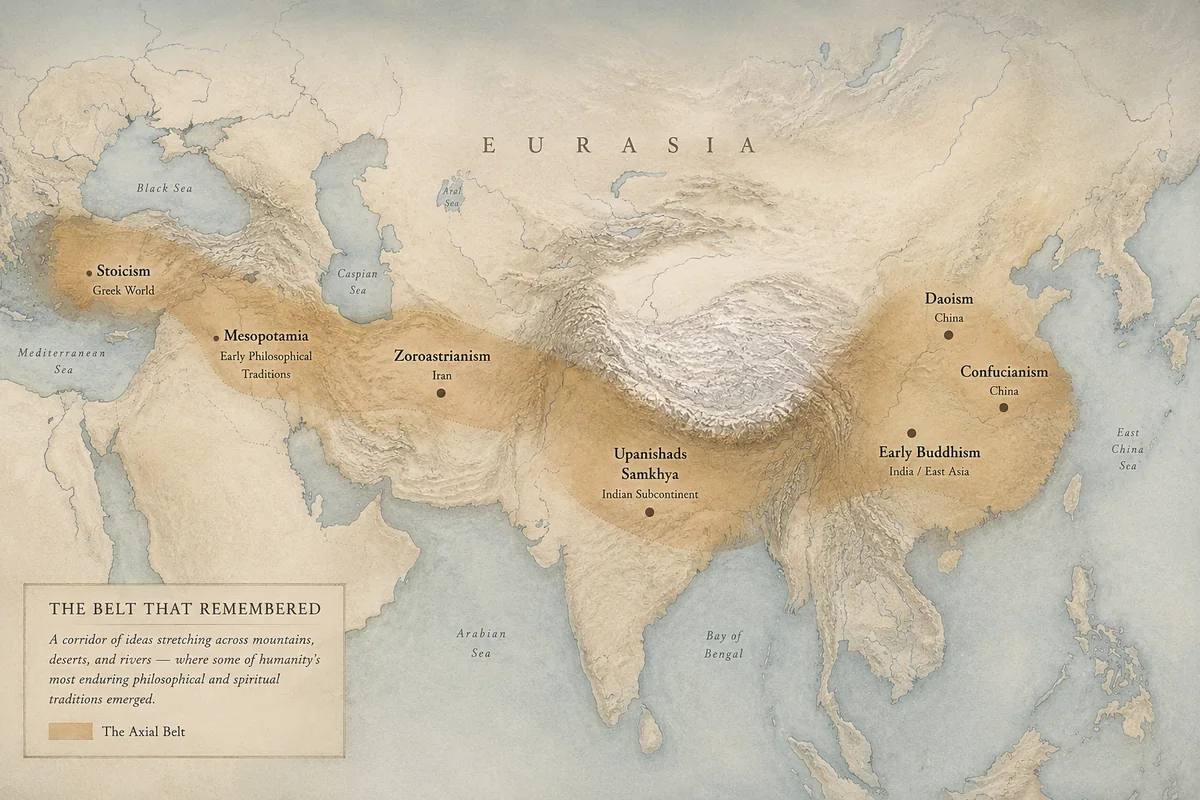
Long before ideas could travel quickly, remarkably similar ways of understanding reality appeared across the same broad belt of Eurasia. Coincidence is one explanation. It may not be the only one.
When fire, ritual, and monumental architecture all push deeper into the past than consensus allows, the question isn't whether our timeline is wrong — it's how incomplete our map of the past has been.
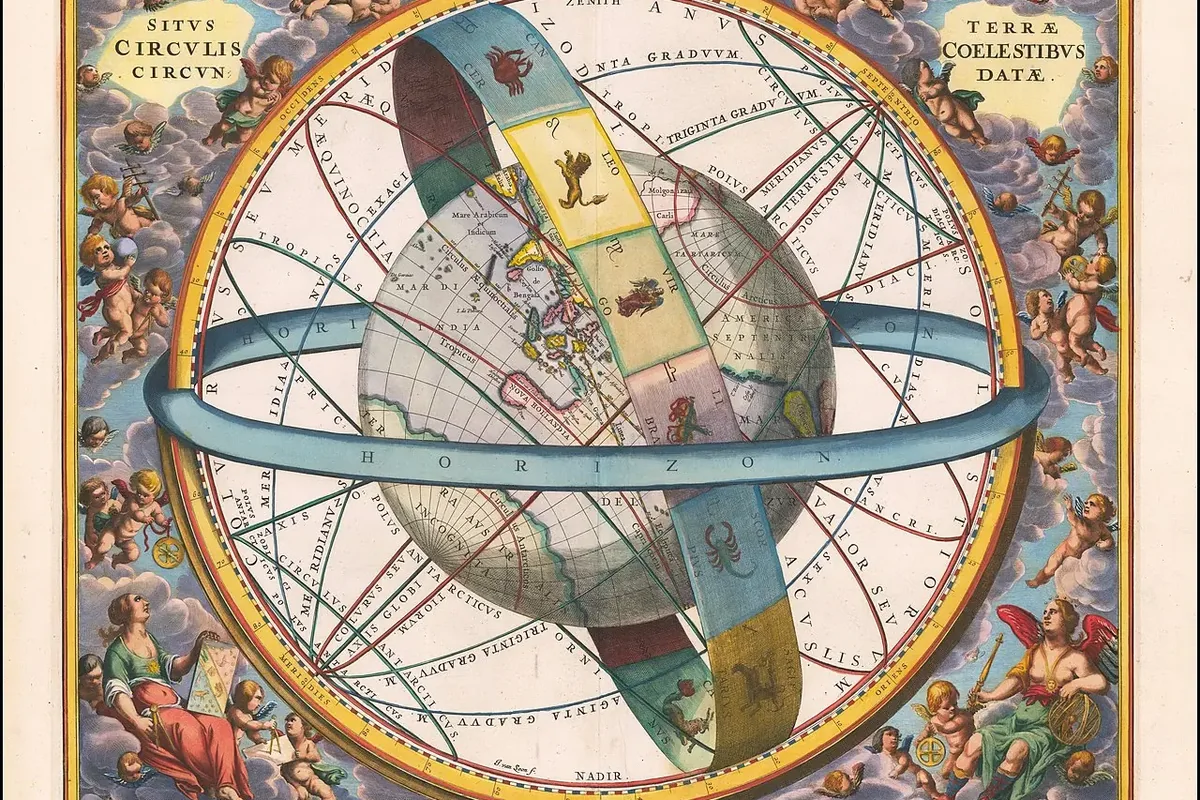
Modern physics didn't emerge from pure curiosity. It emerged from war, industry, and the need to move things faster. That origin shapes everything we can — and cannot — ask.
Science has never developed in an ethical vacuum. What if the questions a civilization is permitted to ask determine the physics it eventually discovers?
The archaeological record does not disappear — it becomes unreadable.

What if the most advanced civilization in Earth's history left almost nothing behind — not because it failed, but because it succeeded?

How we measure the past may be telling us more about ourselves than about what was there.

If contact depends on perception rather than transmission, we may already be inside it.

What if religions were never explanations of the world, but interfaces for interacting with it?
Every week, across dozens of sources, archaeology and science produce findings that are reported as isolated discoveries. A burial here. A migration pattern there. An anomaly in the physics of spacetime. Each gets its own headline, its own context, its own conclusion. LostStrata Weekly reads these findings differently.