
Signals
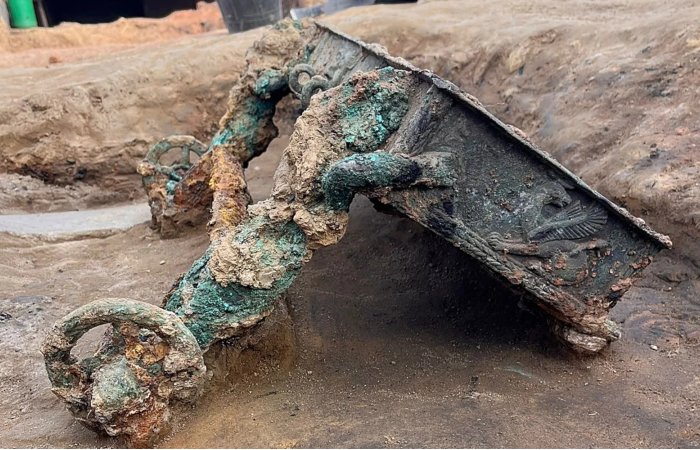
Unique 2,500-Year-Old Bronze Chariot Adorned With Mythological Figures Sheds Light On The Mysterious Tartessian Civilization
Signals

Unique 2,500-Year-Old Bronze Chariot Adorned With Mythological Figures Sheds Light On The Mysterious Tartessian Civilization

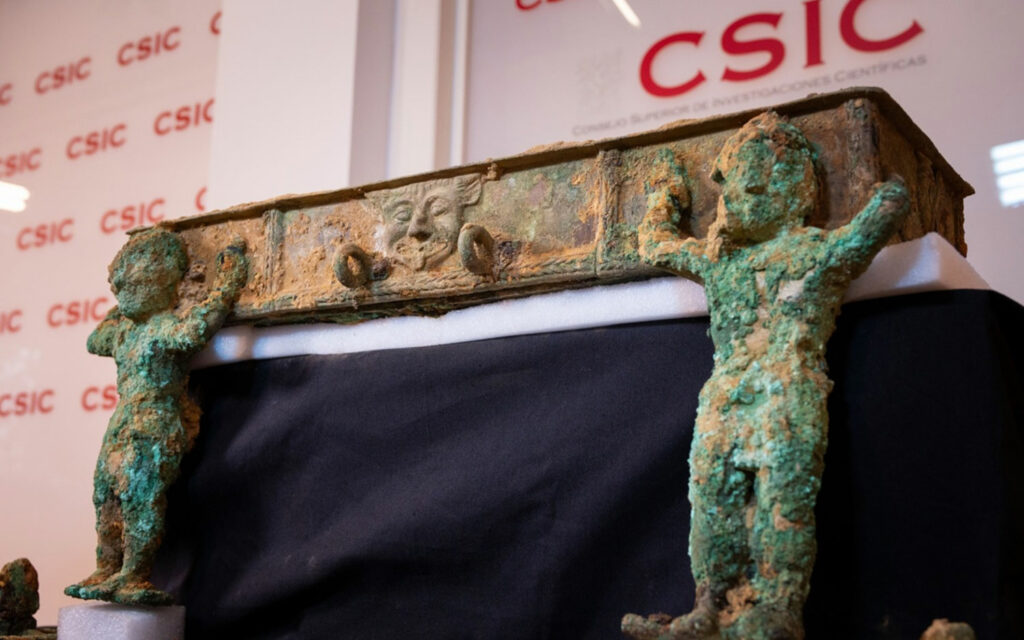
Conny Waters - AncientPages.com - Archaeologists have made a remarkable find in southwestern Spain, where a 2,500-year-old bronze chariot adorned with mythological figures offers new insights into the lost civilization of Tartessos. The Tartessian culture flourished in the southwestern Iberian…

Tartessos remains one of the ancient world's most tantalizing vanished cultures, and a bronze chariot dense with mythological iconography raises pointed questions about the symbolic systems and ritual knowledge this civilization carried before disappearin
Source: ancientpages
Human DNA Detected on Cave Walls
Signals

Human DNA Detected on Cave Walls

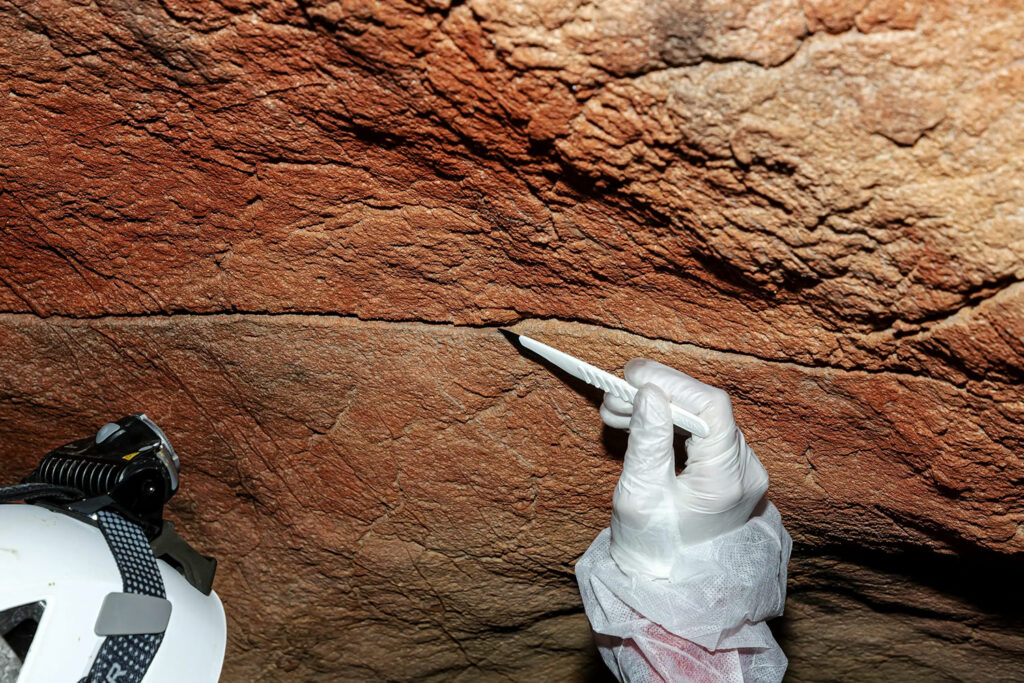
MAÇÃO, PORTUGAL—Prehistoric human DNA has been detected on cave walls by an international team of

Human DNA extracted directly from cave walls opens a new forensic window onto prehistoric ritual space — who was physically present in these sites, and how repeatedly, now becomes an answerable question.
Source: Archaeology Magazine
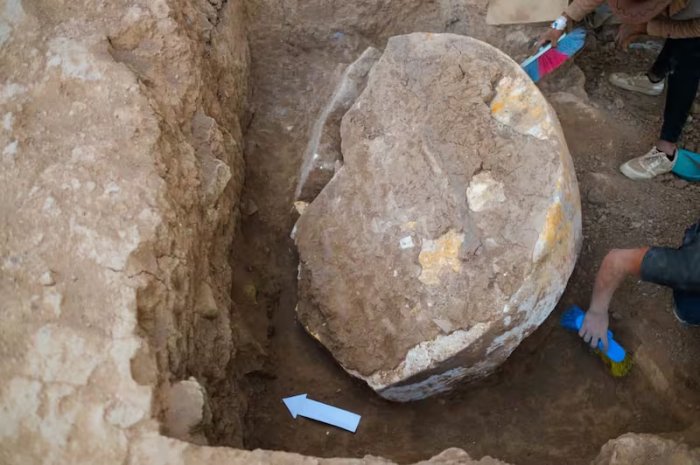
Massive 2,600‑Year‑Old Marble Stele Discovered At Nineveh’s Shamash Gate
Signals

Massive 2,600‑Year‑Old Marble Stele Discovered At Nineveh’s Shamash Gate

Jan Bartek - AncientPages.com - Archaeologists in Iraq’s Nineveh province have discovered a rare Assyrian stele dating to the reign of King Ashurbanipal. This discovery gives us new insight into the city’s achievements almost 2,600 years ago. Archaeologists in Nineveh province, Iraq, have…

A newly surfaced Ashurbanipal-era stele at Nineveh's Shamash Gate adds material evidence to the administrative and symbolic reach of a civilization that sits at the edge of deep-time memory.
Source: ancientpages
Skeletons Uncovered at Thailand’s Don Yai Thong Burial Site
News

Skeletons Uncovered at Thailand’s Don Yai Thong Burial Site

PHETCHABURI, THAILAND—The Bangkok Post reports that a ninth set of human remains has been unearthed

A burial site accumulating multiple skeletal sets in Thailand quietly pressures assumptions about the antiquity and complexity of mortuary culture in Southeast Asia — a region underrepresented in deep-civilization narratives.
Source: Archaeology Magazine
2,000-Year-Old Vesuvius Papyrus Scroll PHerc. 1667 Deciphered With Help Of AI
Signals

2,000-Year-Old Vesuvius Papyrus Scroll PHerc. 1667 Deciphered With Help Of AI

Jan Bartek - AncientPages.com - An ancient scroll that survived the eruption of Mount Vesuvius in 79 AD has finally given up its secrets. The scroll was found in the 1750s, but it was too delicate to open. Thanks to AI technology, scholars have now read the entire text, which turns out to be a

AI-recovered text from a scroll sealed for nearly two millennia is exactly the kind of knowledge-retrieval moment LostStrata tracks — what was preserved, what was nearly lost, and what transmission chain almost broke.
Source: ancientpages
Astrophysicists Puzzle Over Webb’s New Universe
Signals

Astrophysicists Puzzle Over Webb’s New Universe

Faced with observations of early black holes and galaxies that weren’t expected to exist, scientists have come up with a wealth of new theories to explain them. Now they just need to figure out which ones are true. The post Astrophysicists Puzzle Over Webb’s New Universe first appeared on Quanta…

Webb's early black holes and galaxies predate theoretical expectations — a cosmological parallel to the core LostStrata question of whether complexity emerges earlier than our models allow.
Source: quantamagazine
Traces of Stone Circle Discovered Near Belfast
Signals

Traces of Stone Circle Discovered Near Belfast

BELFAST, NORTHERN IRELAND—According to a statement released by Queen’s University Belfast, a 4,000-year-old stone circle

A newly detected 4,000-year-old stone circle near Belfast adds another data point to the dense, still-poorly-understood network of megalithic ritual infrastructure across the British Isles — pressuring assumptions about the geographic limits and organizat
Source: Archaeology Magazine
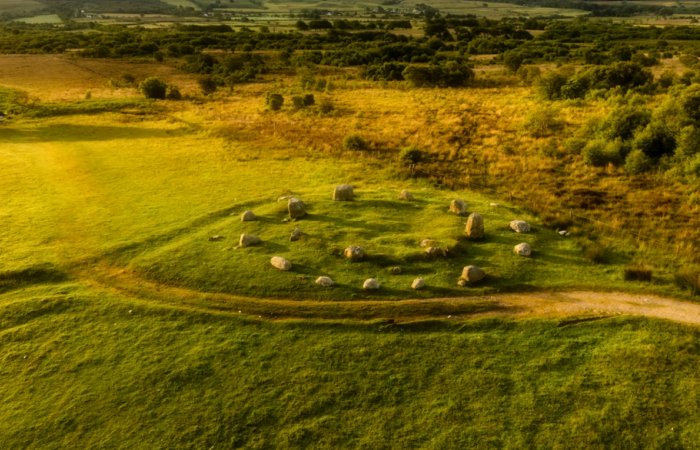
Ancient Underground Circle Discovered At Machrie Moor On The Isle Of Arran
Signals

Ancient Underground Circle Discovered At Machrie Moor On The Isle Of Arran

Conny Waters - AncientPages.com - Machrie Moor, nestled on the Isle of Arran, continues to reveal its ancient mysteries. Machrie Moor is an area of peat moorland with a striking concentration of Neolithic and Bronze Age archaeological remains (from 3500 BC to 1500 BC). The Machrie Moor Stone…

A newly discovered underground circle at a site already dense with Neolithic and Bronze Age remains adds another layer to the pattern of deliberate, concealed ritual geometry — the kind of buried intentionality LostStrata tracks closely.
Source: ancientpages
7,000-Year-Old Quarry Examined in South Australia
News

7,000-Year-Old Quarry Examined in South Australia

ADELAIDE, SOUTH AUSTRALIA—Stone quarrying at Sugarloaf Hill in southeastern Australia’s Riverland dates back some 7,000

A 7,000-year-old quarry in Australia extends the horizon of organized resource extraction and knowledge transmission among Aboriginal populations well beyond what colonial-era assumptions embedded in the record — directly relevant to LostStrata's interest
Source: Archaeology Magazine
1,100-Year-Old Mummified Dogs from Peru Analyzed
News

1,100-Year-Old Mummified Dogs from Peru Analyzed

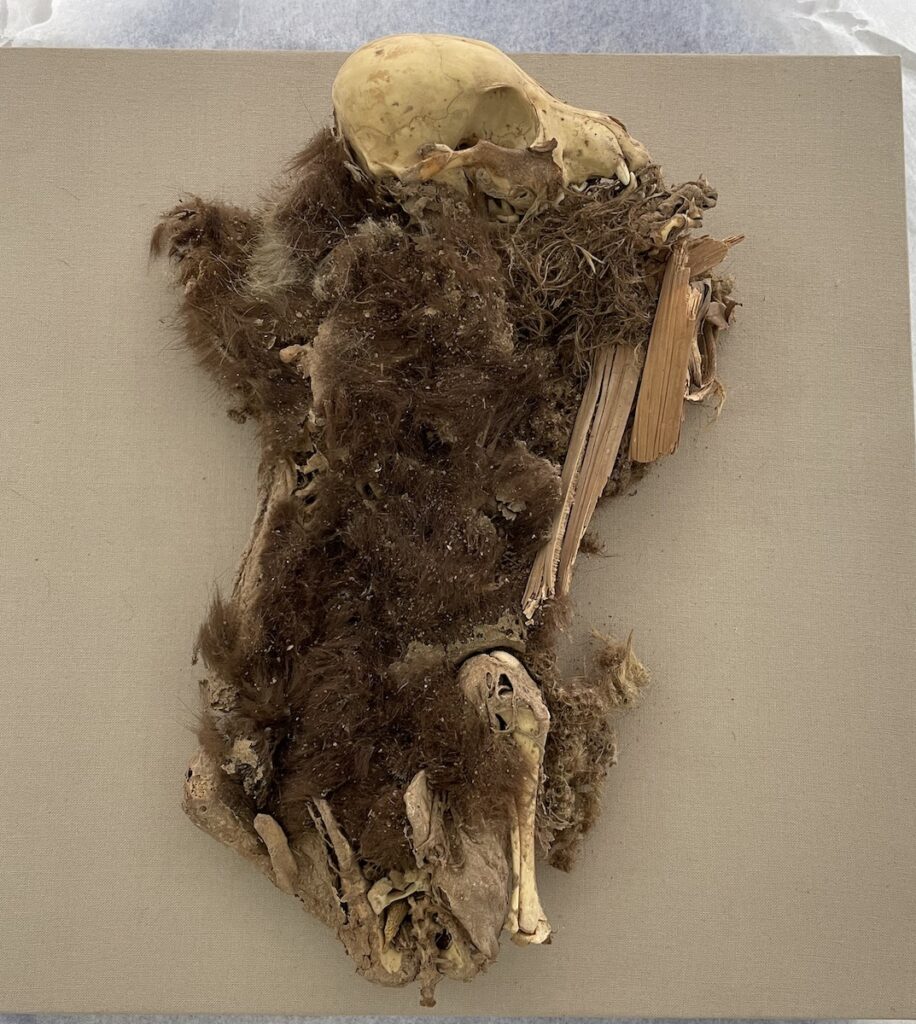
GAINESVILLE, FLORIDA—Phys.org reports that Susan deFrance of the University of Florida and her colleagues analyzed

Deliberate mummification of dogs in pre-Columbian Peru points to organized ritual practice around animal-human relationships — a thread connecting Andean cosmology to patterns of sacred animal treatment seen across widely separated ancient cultures.
Source: Archaeology Magazine
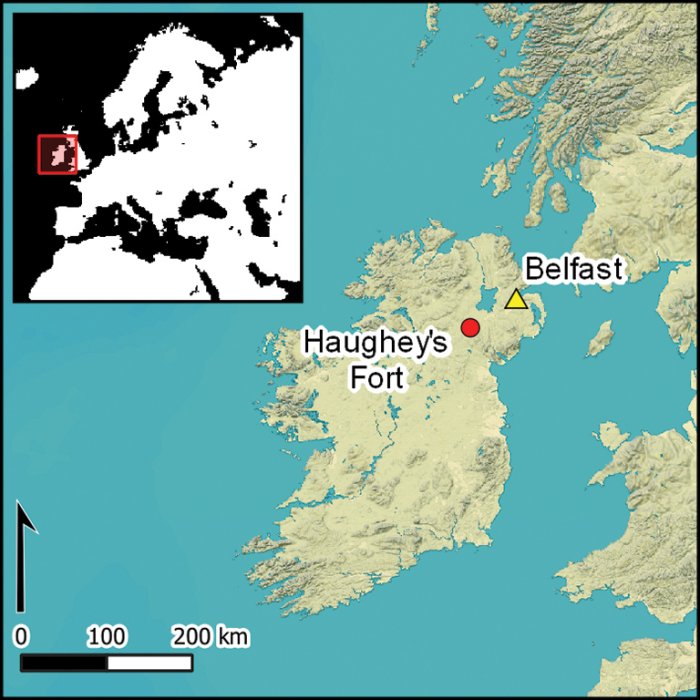
Haughey’s Fort – Ireland’s 3,000-Year-Old Bronze Age Site May Be One Of Europe’s Earliest Proto-Towns
Signals

Haughey’s Fort – Ireland’s 3,000-Year-Old Bronze Age Site May Be One Of Europe’s Earliest Proto-Towns

Conny Waters - AncientPages.com - New research reveals that a major prehistoric center in Ireland was among the earliest large, organized settlements in Western Europe, dating back over 3,000 years. Around 1200 BC, the construction of the monumental Haughey’s Fort established a significant…

A proto-urban settlement at 1200 BC in Ireland quietly pushes back assumptions about when organized complexity emerged in Atlantic Europe — relevant to the question of whether sophisticated social architecture preceded our standard timelines.
Source: ancientpages
Marble Stele Unearthed in Nineveh
Signals

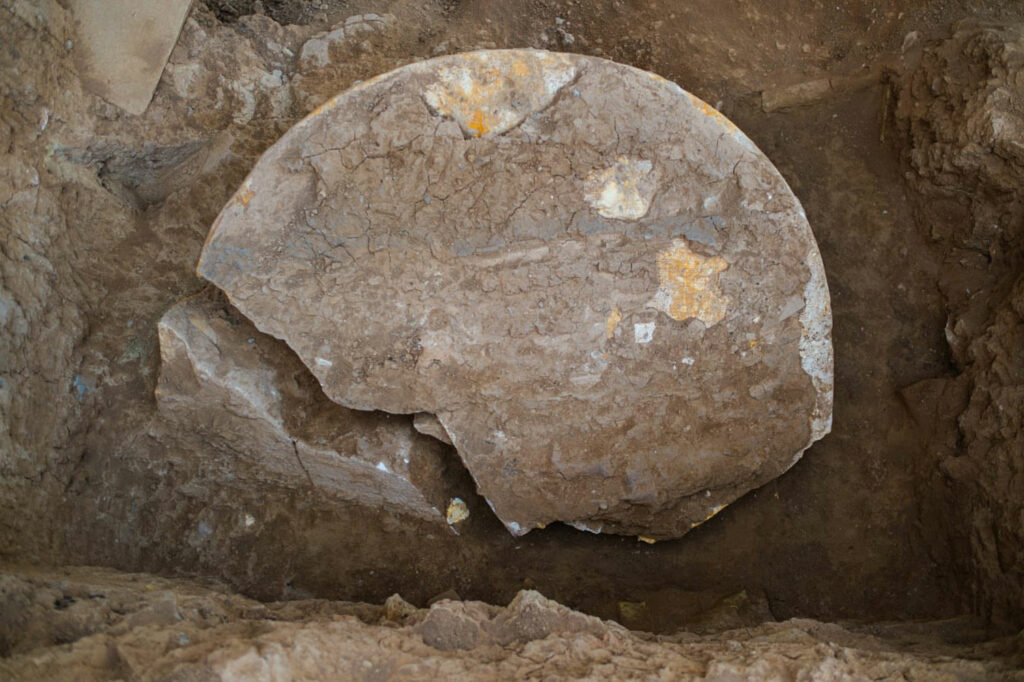
Marble Stele Unearthed in Nineveh

MOSUL, IRAQ—The National reports that an Assyrian stele that stood more than six feet tall

A six-foot Assyrian stele recovered from Nineveh adds to the material record of a civilization whose scribal and astronomical traditions may encode far older inherited knowledge — each new monument is a potential node in that transmission chain.
Source: Archaeology Magazine
Bronze Age Boat Artwork Analyzed
News

Bronze Age Boat Artwork Analyzed

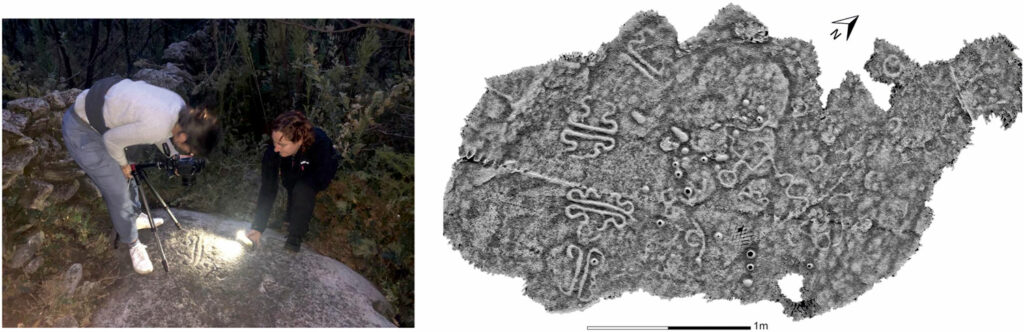
DURHAM, ENGLAND—Researchers led by Marta Díaz-Guardamino of Durham University created 3D models of rock art

3D analysis of Bronze Age boat rock art opens a window into how seafaring knowledge and cosmological symbolism were encoded and transmitted across generations — the precision of the imagery may suggest more sophisticated cartographic or ritual intent than
Source: Archaeology Magazine
Engraved Toltec Tombstones And Elite Structure Unearthed In Tula Archaeological Zone
Signals

Engraved Toltec Tombstones And Elite Structure Unearthed In Tula Archaeological Zone

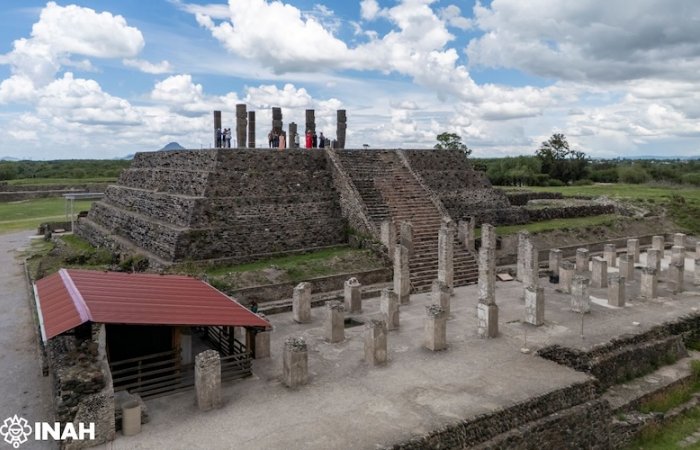
Conny Waters - AncientPages.com - Tollan-Xicocotitlan, or Tula, was once the capital of the Toltec civilization. It sits in Tula de Allende, in the Tula Valley of southwest Hidalgo, northwest of Mexico City. Tula reached its height between 900 and 1100 AD, but by the 12th century, its influence had…

Fresh excavation at Tula surfaces engraved elite funerary architecture from a civilization whose origins and mythic role as precursor to the Aztecs remain contested — directly pressures assumptions about Mesoamerican knowledge transmission and ritual hier
Source: ancientpages
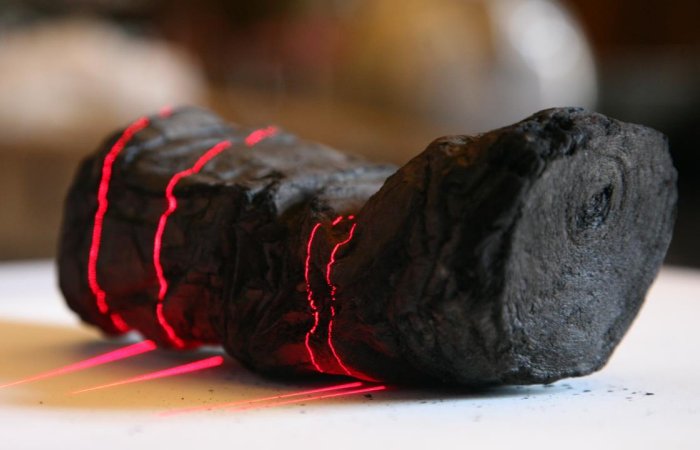
Entire Carbonized Herculaneum Scroll Virtually Unwrapped
News

Entire Carbonized Herculaneum Scroll Virtually Unwrapped

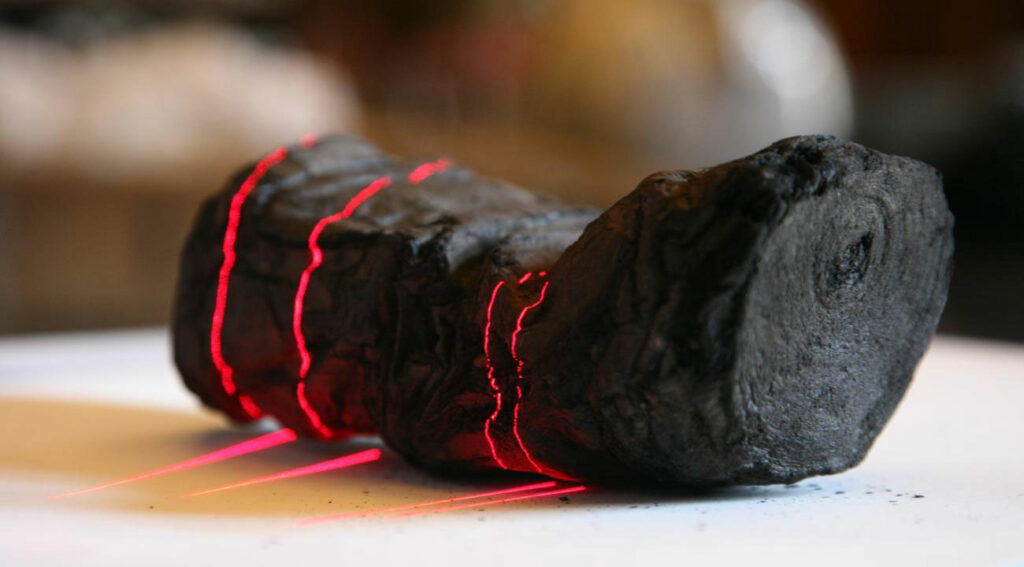
NAPLES, ITALY—Scientists have fully “unwrapped” an entire carbonized papyrus scroll preserved by the eruption of

A fully unwrapped Herculaneum scroll recovered through virtual imaging is a direct demonstration that lost textual knowledge can be recovered from apparent destruction — and raises the question of how much else survives in forms we haven't yet learned to
Source: Archaeology Magazine
Bronze Votive Chariot Found in Spain
News

Bronze Votive Chariot Found in Spain

GUAREÑO, SPAIN—According to an article in The Greek Reporter, the wheels and parts of a

A bronze votive chariot in Iberia points to ritual practice and long-range cultural contact across the ancient Mediterranean-Atlantic zone, quietly pressuring assumptions about the reach and uniformity of pre-Roman ceremonial traditions in the west.
Source: Archaeology Magazine
Britain’s Only Known Anglo‑Saxon Die Stamp Sheds New Light On Sutton Hoo-Type Helmets
Signals

Britain’s Only Known Anglo‑Saxon Die Stamp Sheds New Light On Sutton Hoo-Type Helmets

Conny Waters - AncientPages.com - A rare Anglo-Saxon die stamp found near Lynsted, Kent, may alter our understanding of the origins of some of Britain’s most significant archaeological treasures. The small copper-alloy object, discovered by metal detectorist Stephen Newbury, dates to the late sixth…

A single die stamp reshaping assumptions about elite craft production and knowledge transmission in early medieval Britain — the Sutton Hoo helmets may represent a more distributed, encoded manufacturing tradition than previously assumed, quietly pressuri
Source: ancientpages
Traces of Homo erectus Fire Use Dated to 1.8 Million Years Ago
News

Traces of Homo erectus Fire Use Dated to 1.8 Million Years Ago

TORONTO, CANADA—Science News reports that evidence for the oldest use of fire by hominins has

Pushing controlled fire use back to 1.8 million years ago radically extends the timeline of deliberate hominin behavior, compressing the assumed gap between brute survival and the cognitive infrastructure that underlies civilization-building.
Source: Archaeology Magazine
2,000-Year-Old Defenses Examined in Cyprus
News

2,000-Year-Old Defenses Examined in Cyprus

PAPHOS, CYPRUS—The Cyprus Mail reports that Claire Balandier of Avignon University led a team of

Systematic examination of 2,000-year-old defensive architecture in Cyprus adds granular data to questions about how knowledge of large-scale fortification engineering was transmitted and sustained across Mediterranean antiquity.
Source: Archaeology Magazine
Prince Madoc In North America: New Evidence Or Persistent Myth?
Signals

Prince Madoc In North America: New Evidence Or Persistent Myth?

Ellen Lloyd - AncientPages.com - The legend of Madoc has sparked fierce debate ever since the days of the Tudors. Today, archaeological discoveries have convinced many that ancient civilizations reached the Americas long before Christopher Columbus set sail. Could it be that Madoc ab Owain Gwynedd…

The Madoc legend sits at the contested edge between myth and pre-Columbian contact, exactly the kind of narrative LostStrata tracks — where oral tradition and anomalous archaeology collide with official historiography. It quietly pressures the assumption
Source: ancientpages