
Two Iron Age Axes Evaluated
KIEL, GERMANY—According to the Greek Reporter, Matthias Christian Hüls of Kiel University and his colleagues
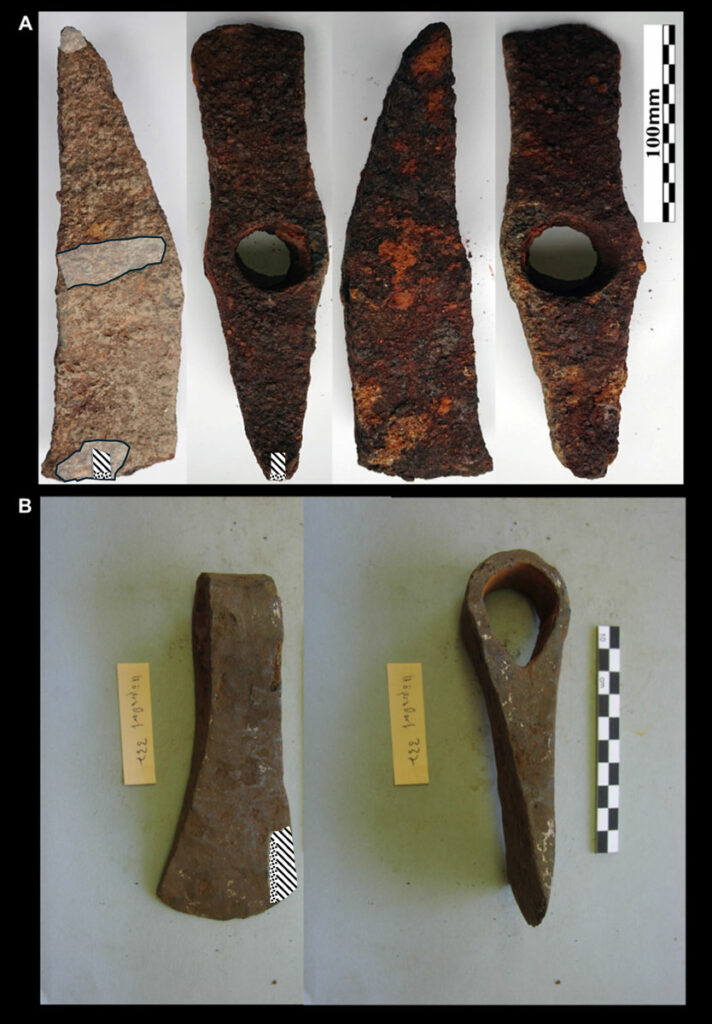
Axes from Kazakhstan (A) and Germany (B)
KIEL, GERMANY—According to the Greek Reporter, Matthias Christian Hüls of Kiel University and his colleagues compared two Iron Age axes—one unearthed in a burial mound in Kazakhstan and the other discovered among a collection of tools in northern Germany. Radiocarbon dating determined that the tool from Kazakhstan was made between 357 and 164 B.C., making it several hundred years younger than the burial in which it was found. It may have been left at the site during the construction of a neighboring burial mound, Hüls explained. The ax was crafted from two types of iron. Softer metal was used near the handle, while the cutting edges were made of harder, carbon-rich iron. Heat treating was used to make the blades of the ax stronger, he added. Chemical analysis of the slag at the site showed that the iron had been efficiently refined. Meanwhile, Germany’s Högersdorf Ax was dated to between 340 and 53 B.C. This ax was made of softer, phosphorus-rich iron that may have been taken from bog iron ore available near local rivers and wetlands. The smelting process to make this tool appears to have been less efficient than that used to fashion the ax from Kazakhstan. Hüls suggests that the two axes reflect different levels of metalworking skill likely shaped by available resources. Read the original scholarly article about this research in Radiocarbon. To read about other ancient burials in Kazakhstan, go to "Iron Age Teenagers."
The post Two Iron Age Axes Evaluated appeared first on Archaeology Magazine.
Original author: Jessica Esther Saraceni
Related articles
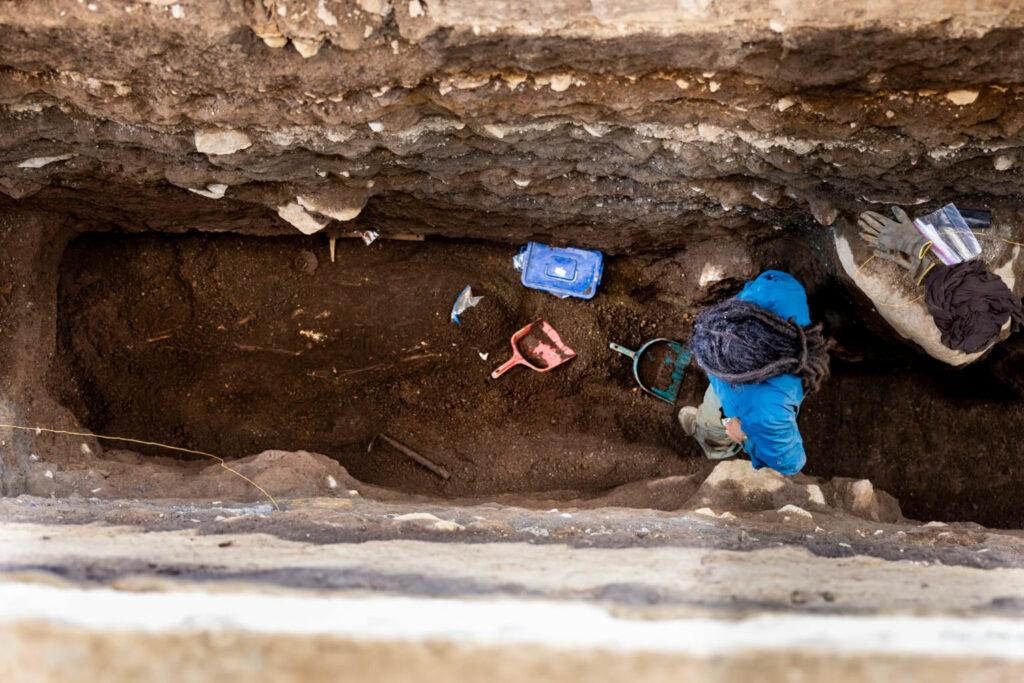
Ancient Burial Uncovered in El Salvador
SAN SALVADOR, EL SALVADOR—Phys.org reports that a burial estimated to be 3,000 years old has
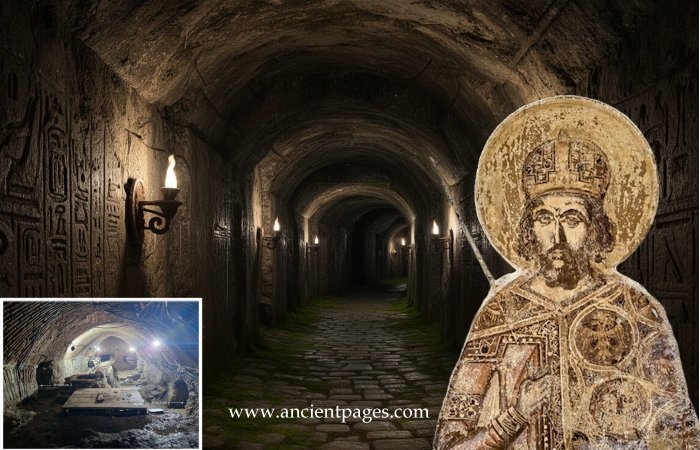
Byzantine Underground Labyrinth Unearthed: Major Previously Unknown Subterranean Complex Confirms Ancient Legends
Jan Bartek - AncientPages.com - Archaeologists have uncovered large, previously unknown subterranean structures built by skilled Eastern Roman Empire craftsmen. Experts are now cleaning and documenting these sites. Researchers think these structures could be part of a complex underground system…
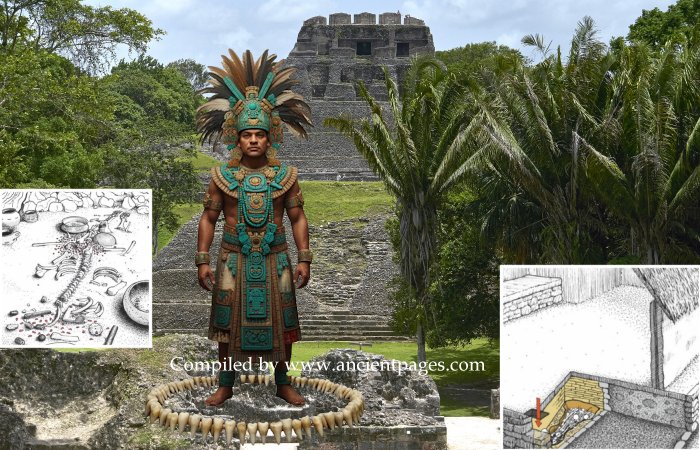
Mysterious Maya Teeth Cave Investigated By Archaeologists
Conny Waters - AncientPages.com - Archaeologists excavating an ancient cave have uncovered an unusual burial tradition that may provide new insights into ancient Maya supernatural beliefs. Background: Xunantunich Archaeological site, Belize. Credit: Denis Barthel - CC BY-SA 4.0 Image compilation…
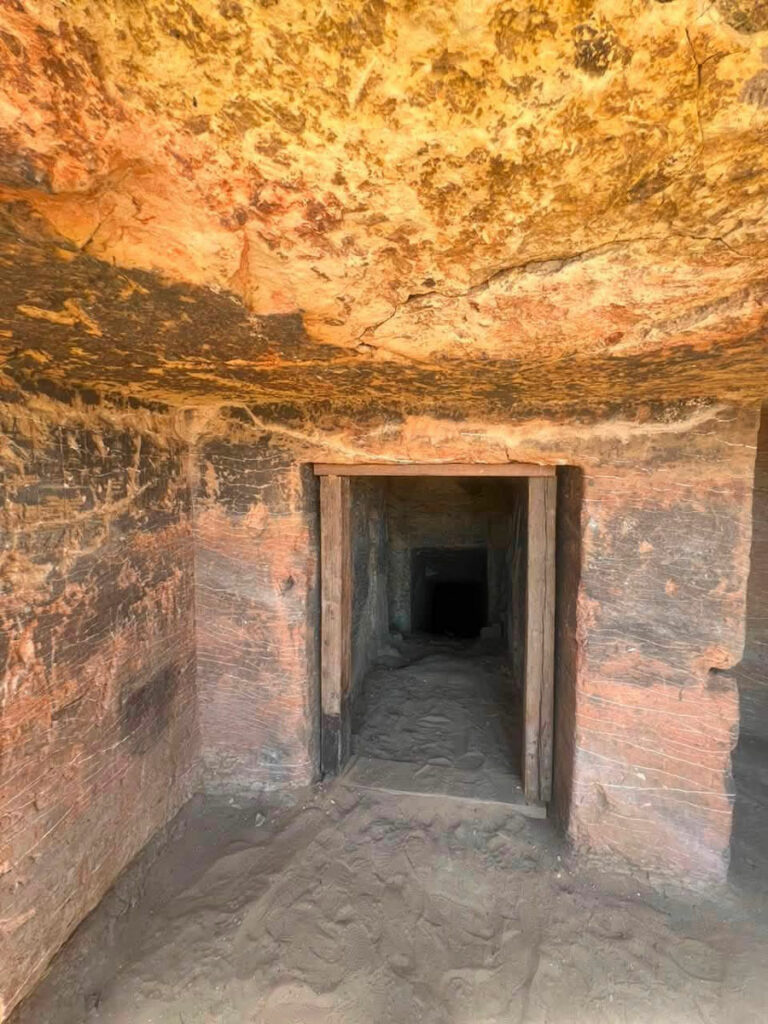
New Kingdom Tombs Excavated in Saqqara
CAIRO, EGYPT—Three rock-cut tombs dated to the New Kingdom period (ca. 1550–1070 b.c. ) have been