New Kingdom Tombs Excavated in Saqqara
CAIRO, EGYPT—Three rock-cut tombs dated to the New Kingdom period (ca. 1550–1070 b.c. ) have been
Tomb, Saqqara, Egypt
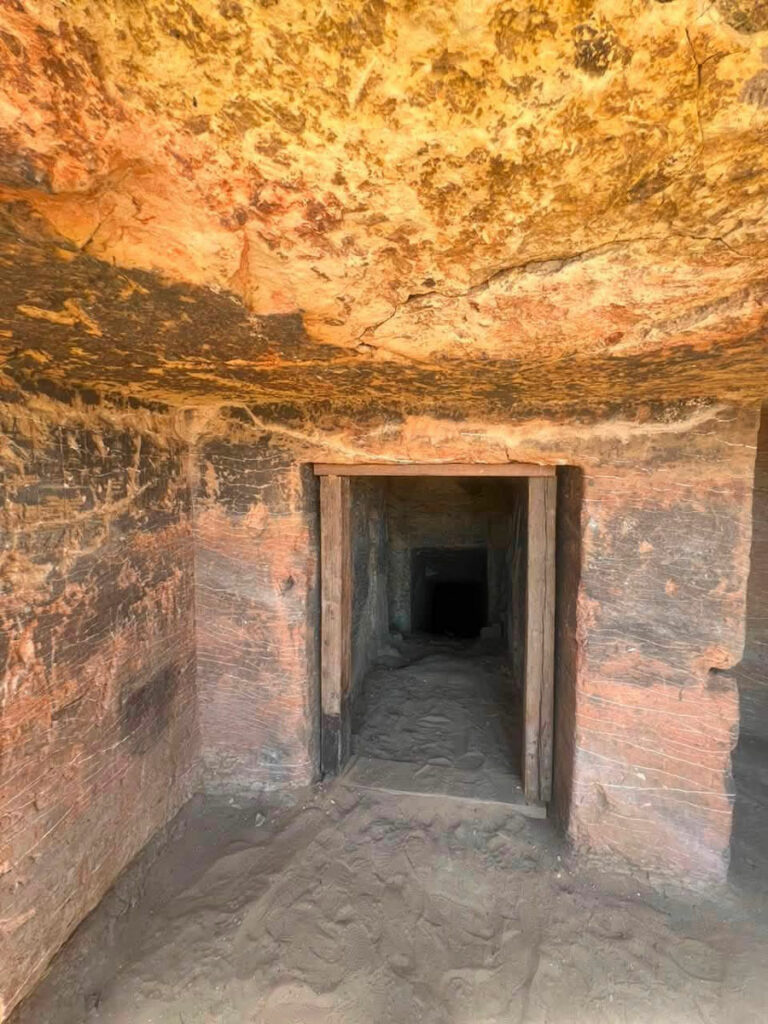
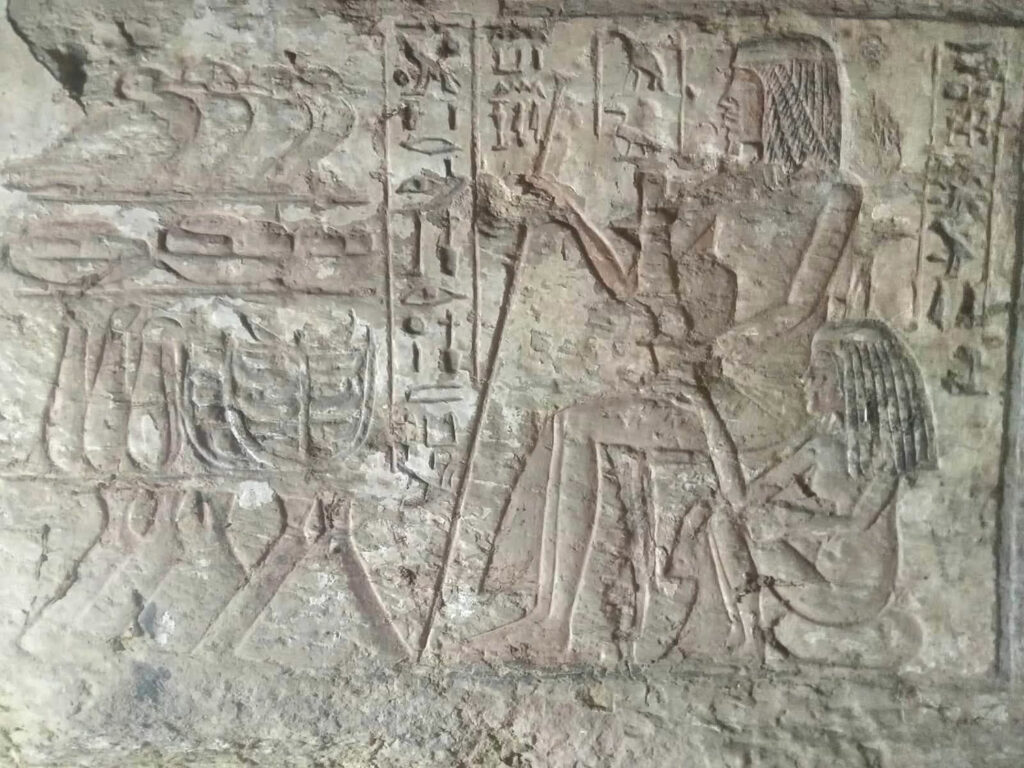
CAIRO, EGYPT—Three rock-cut tombs dated to the New Kingdom period (ca. 1550–1070 B.C.) have been discovered at the Bubasteion Necropolis in Saqqara, Ahram Online reports. Amr El-Tayeb, director of the Saqqara Archaeological Site, said that carvings on the wall of the first tomb reveal that it belonged to an official named Mentuhotep, who is shown with his mother, Eihotep. Offering bearers and hunting scenes are also depicted in the images. Inscriptions in the tomb record that Mentuhotep was known as Hereditary Prince, Mayor, Royal Seal Bearer, and One Who Pleases the Heart of the Ruler, in addition to other administrative and military titles. An unexcavated burial shaft in this tomb may contain more information about Mentuhotep. The second tomb belongs to Paremwia, who was also known as Samut and the Great Merchant of the Estate of Ptah. Inscriptions in this tomb include the name of his wife, Tuwi, Lady of the House; his mother, Atibyu, a Singer of Amun; and his four sons. The third, poorly preserved tomb belonged to Nehesy, who was called Supervisor of the House, and his wife, Neferptah, the Lady of the House. This tomb also contains a record of the return of a military commander from northern Syria. “The inscription is particularly significant because it not only confirms the tomb’s New Kingdom date but also provides fresh evidence of Egypt’s military and diplomatic connections with the Near East during the period,” said Mohamed Abdel Badie of the Supreme Council of Antiquities. To read about another royal official's burial in Saqqara, go to "The Treasurer's Tomb."
Carving on tomb wall, Saqqara, Egypt
The post New Kingdom Tombs Excavated in Saqqara appeared first on Archaeology Magazine.
Original author: Jessica Esther Saraceni
Related articles
Mysterious Maya Teeth Cave Investigated By Archaeologists
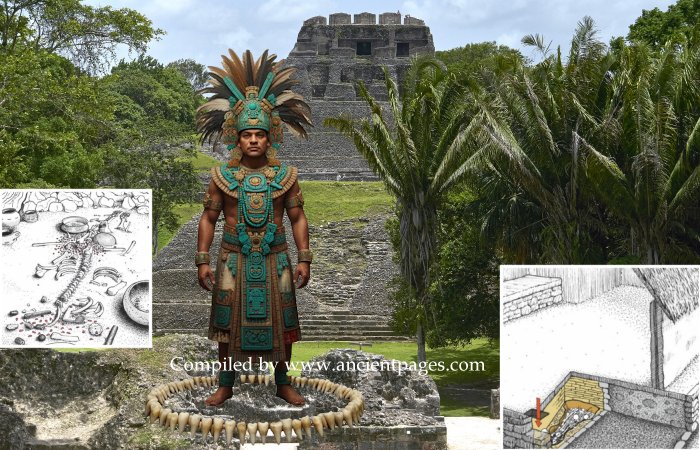
Conny Waters - AncientPages.com - Archaeologists excavating an ancient cave have uncovered an unusual burial tradition that may provide new insights into ancient Maya supernatural beliefs. Background: Xunantunich Archaeological site, Belize. Credit: Denis Barthel - CC BY-SA 4.0 Image compilation…
Egypt’s Royal Women Trained in Archery
CAIRO, EGYPT—ZME Science reports that Zeinab Hashesh of Beni Suef University and her colleagues examined

Wild Boar Tusk May Have Been Medieval Talisman
NOVGOROD, RUSSIA—According to a Live Science report, a piece of a large wild boar's tusk

2,700-Year-Old Irrigation System Studied in Armenia
YEREVAN, ARMENIA—More than 600 miles of water-management features have been identified in Armenia at the