The Archive That Needed the Fire
Twenty administrative tablets survived the destruction of a Middle Bronze Age city in northern Iraq. They survived because of it.

Excavations at Kurd Qaburstan, southwest of Erbil, have recovered twenty cuneiform tablets and more than a hundred administrative sealings from destruction layers in the Lower Town East Palace. The finds are the first substantial group of tablets from the Erbil Plain. The site is identified with Qabra, a city taken by siege around 1800 BCE; several of the tablets are dated within days of one another, tracking the closing period of the city's operation. Alongside them: mass graves, citywide fortifications, and a magnetometer survey of more than eighty hectares mapping the buried plan. The texts are unremarkable in content. Palace accounts, receipts, a letter that may name a senior official. This is the paperwork of an ordinary functioning bureaucracy — the least likely category of document to reach us, and the most informative when it does.
Attribution of the site to Qabra rests on converging evidence rather than a name in the tablets themselves; the texts are still being read.
Clay tablets in this period were generally not fired. Written, read, stored, and eventually recycled or discarded, they degrade in the ground. What preserves them is a building burning down on top of them. The archive at Kurd Qaburstan is legible because the palace containing it was destroyed with the records still inside.
This produces a specific distortion. Cities that operated for centuries and then declined quietly leave thin archives. Cities that ended suddenly leave thick ones. The density of the record correlates not with how much happened, but with how the place stopped.
The dating compounds it. Tablets clustered within days of each other are a resolution the site would never otherwise offer — routine administration does not deposit itself in a sealed layer. Only interrupted administration does. The sharpest picture of the city's daily economy is the picture taken as it ended.
There is a second account of the same event. The Victory Stele of Dadusha, a monument commissioned by the conqueror, describes the destruction of cities in this campaign. That text survived by design: carved in stone, positioned to be read, written to make a particular version durable.
So two records of one collapse now sit side by side, having reached us by opposite routes. One was built to outlast the event it describes. The other was never meant to last a decade, and lasted because the event that destroyed the city fired the clay.
The asymmetry is normally total. Monuments, treaties, royal inscriptions — the deliberately durable — are what the second millennium BCE mostly hands over. The ledgers of a working palace almost never arrive. Where they do, something went badly wrong at exactly the right moment.
Source: University of Central Florida, Kurd Qaburstan Project (Earley-Spadoni, dir.), June 2026 — ucf.edu/news/ucf-led-excavation-reveals-evidence-of-life-conflict-in-ancient-mesopotamia/
Related articles
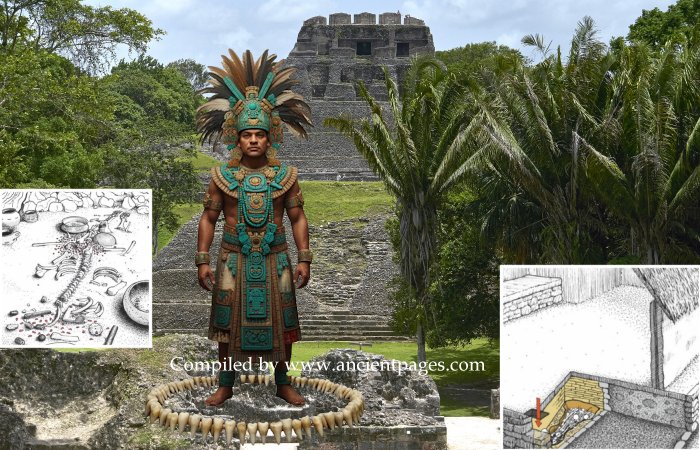
Mysterious Maya Teeth Cave Investigated By Archaeologists
Conny Waters - AncientPages.com - Archaeologists excavating an ancient cave have uncovered an unusual burial tradition that may provide new insights into ancient Maya supernatural beliefs. Background: Xunantunich Archaeological site, Belize. Credit: Denis Barthel - CC BY-SA 4.0 Image compilation…
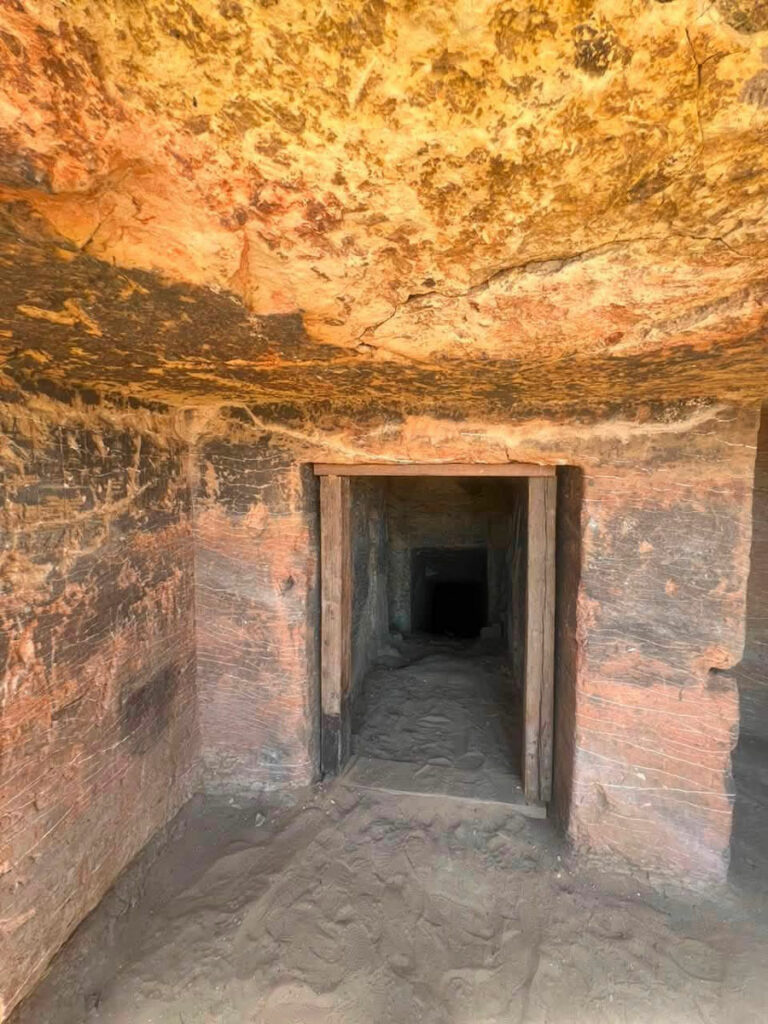
New Kingdom Tombs Excavated in Saqqara
CAIRO, EGYPT—Three rock-cut tombs dated to the New Kingdom period (ca. 1550–1070 b.c. ) have been
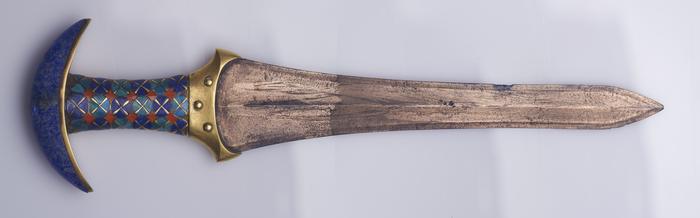
Egypt’s Royal Women Trained in Archery
CAIRO, EGYPT—ZME Science reports that Zeinab Hashesh of Beni Suef University and her colleagues examined

Wild Boar Tusk May Have Been Medieval Talisman
NOVGOROD, RUSSIA—According to a Live Science report, a piece of a large wild boar's tusk