Signals
Second Intact Etruscan Tomb Discovered in Italy’s San Giuliano Necropolis
News

Second Intact Etruscan Tomb Discovered in Italy’s San Giuliano Necropolis

ROME, ITALY—According to a report in La Brújula Verde, a second intact Etruscan tomb has

An intact, undisturbed Etruscan tomb is a rare preservation window into a civilization whose origins and knowledge systems remain poorly understood — every sealed context is a data point against the assumption of thorough survival.
Source: Archaeology Magazine
Signals

Unique Roman Pathhead Brooch Inspired By Celtic Art And Rare Roman Altars Go On Display For The First Time

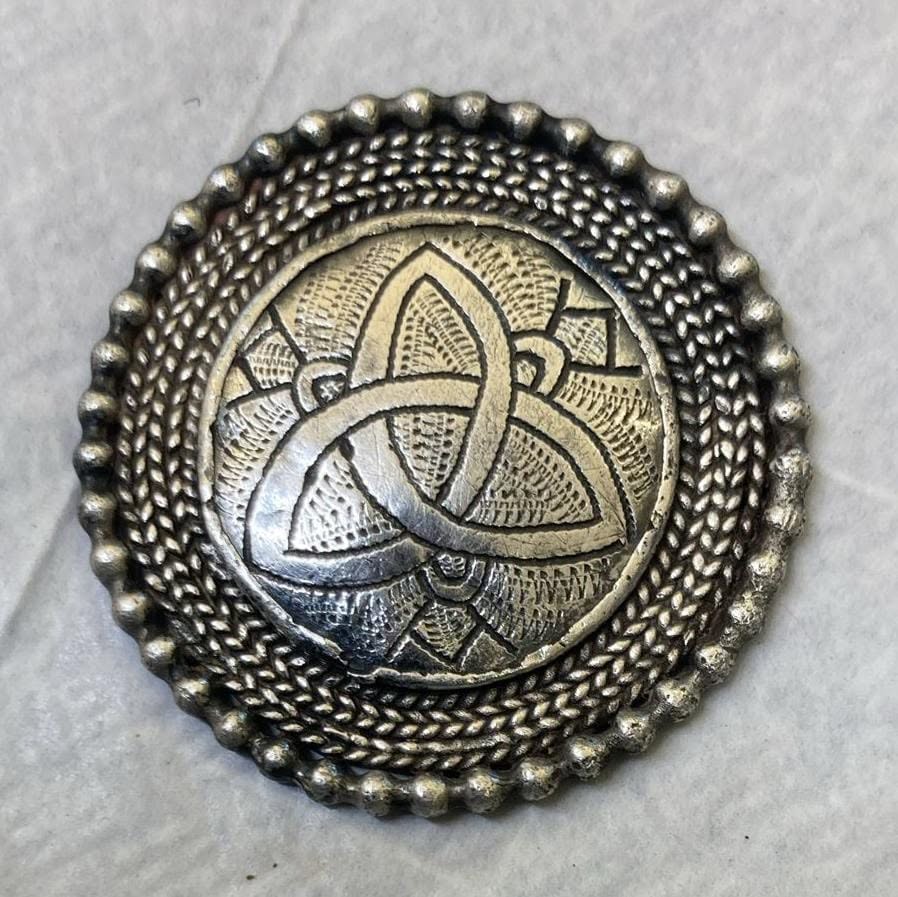
Conny Waters - AncientPages.com - A rare Roman brooch found by a metal detectorist in Midlothian will be displayed for the first time in a new exhibition. Archaeologists call the bronze brooch a "miniature masterpiece" unique to Roman Britain. It combines local and Roman design, showing off…

A brooch fusing Roman and Celtic design vocabularies at the frontier edge of empire is a small artifact of knowledge hybridization — evidence that symbolic systems were actively negotiated and transmitted across cultural boundaries in ways rarely fully re
Source: ancientpages
Viking Coins Found in Denmark Were Minted With Islamic Silver
News

Viking Coins Found in Denmark Were Minted With Islamic Silver

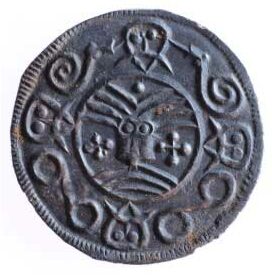
COPENHAGEN, DENMARK—Live Science reports that a new study of Viking coins from the Damhus hoard,

Viking coins smelted from Islamic silver traced through a Danish hoard reveal the quiet depth of intercontinental material exchange in the early medieval world, evidence that long-distance trade networks were operating well before they appear in conventio
Source: Archaeology Magazine
Greek-Style Temple Excavated in Albania
News

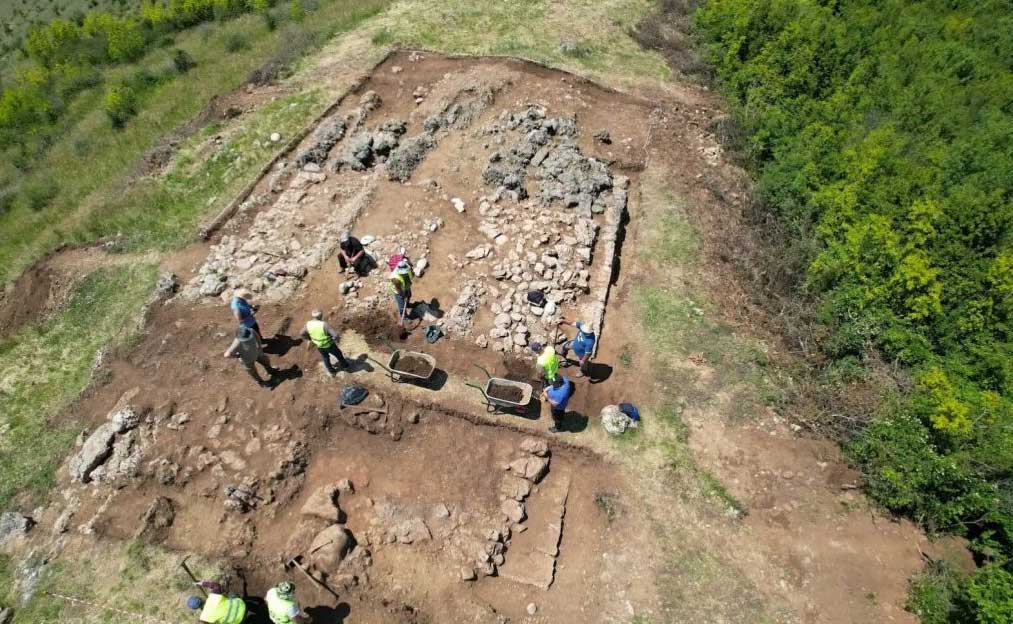
Greek-Style Temple Excavated in Albania

SHKODRA, ALBANIA—According to a report in La Brújula Verde, the foundations of a monumental structure

A Greek-style monumental temple in Albania expands the geographic footprint of Hellenistic ritual architecture into territories rarely foregrounded, pressing the question of how far standardized sacred geometry traveled — and who was transmitting it.
Source: Archaeology Magazine
Signals

Hyksos: Foreign Rulers Of Avaris Who Founded The Fifteenth Dynasty Of Egypt

A. Sutherland - AncientPages.com - Many researchers refer to the Hyksos as West Asian people, but who these people were is not exactly known. They were officially known as “Foreign Rulers ('Heka Khawaset'). Their historical name “Hyksos” is of Greek origin. Left: Rishi coffin of Kamose, Cairo…

The Hyksos — foreign rulers of unknown origin who abruptly transformed Egyptian dynastic history — are a persistent puzzle about population movements and knowledge transfer in the ancient Near East, quietly pressuring assumptions about who carried civiliz
Source: ancientpages
Signals

Rare Sealed Etruscan Tomb Unearthed At The San Giuliano Necropolis

Conny Waters - AncientPages.com - Another significant archaeological discovery has been made at the San Giuliano necropolis, approximately 70 kilometers northwest of Rome, Italy. Last year, archaeologists discovered a rare, intact Etruscan tomb containing the remains of four individuals resting on…

A sealed, intact Etruscan tomb with multiple individuals invites questions about burial ritual sophistication and what knowledge these pre-Roman peoples encoded in funerary practice. The San Giuliano necropolis continues to surface evidence of complex cer
Source: ancientpages
Signals

Gruvrået: The ‘Mistress of Mines’ Who Watched Over Mines And Precious Ore Quarries – Was She Always So Innocent?

A. Sutherland - AncientPages.com - In Nordic folklore, she is a mythical creature (or spirit known by many names) that lived in the mountains and mines, where iron ore, silver, and copper were mined. These treasures were, at the time, the most important exports during the Middle Ages. According to…

A spirit figure encoded specifically into the geography of extraction and metalworking suggests ritual knowledge of ore deposits may be far older than the medieval sources recording it — a possible memory layer worth tracing.
Source: ancientpages
Signals

Oldest Long Count Inscription Discovered On Monument At El Palmar, In Campeche, Mexico

Conny Waters - AncientPages.com - Archaeologists at the ancient Maya site of El Palmar in Campeche, Mexico, have uncovered what may be the earliest known Long Count calendar date in the Maya lowlands. Carved into a stone monument, the date corresponds to August 31, AD 180. This discovery may…

Pushing the earliest known Maya Long Count inscription back to AD 180 quietly pressures assumptions about when this sophisticated calendrical system was formalized — and how much earlier its conceptual roots may reach.
Source: ancientpages
Unusual Artifacts Found in Medieval Siberian Burial
Signals

Unusual Artifacts Found in Medieval Siberian Burial

ST. PETERSBURG, RUSSIA—Live Science reports that a tenth-century burial uncovered in southern Siberia's Sayan Mountains

A tenth-century burial in a remote Siberian valley, far from major trade routes, with unexpected material wealth — every isolated rich burial is a question about networks we haven't mapped yet.
Source: Archaeology Magazine
Signals

How Many Elementary Particles Are There, Really?

Plausible answers range from 17 to — in all seriousness — 995.5. The post How Many Elementary Particles Are There, Really? first appeared on Quanta Magazine

The answer ranges from 17 to nearly 1,000 depending on how you count — a reminder that even our most fundamental physics is partly a matter of framework, not just fact. Relevant for Protocol: the categories we use to count reality are not neutral.
Source: quantamagazine
Artists Returned to Remote Cave Chamber in Spain for Thousands of Years
News

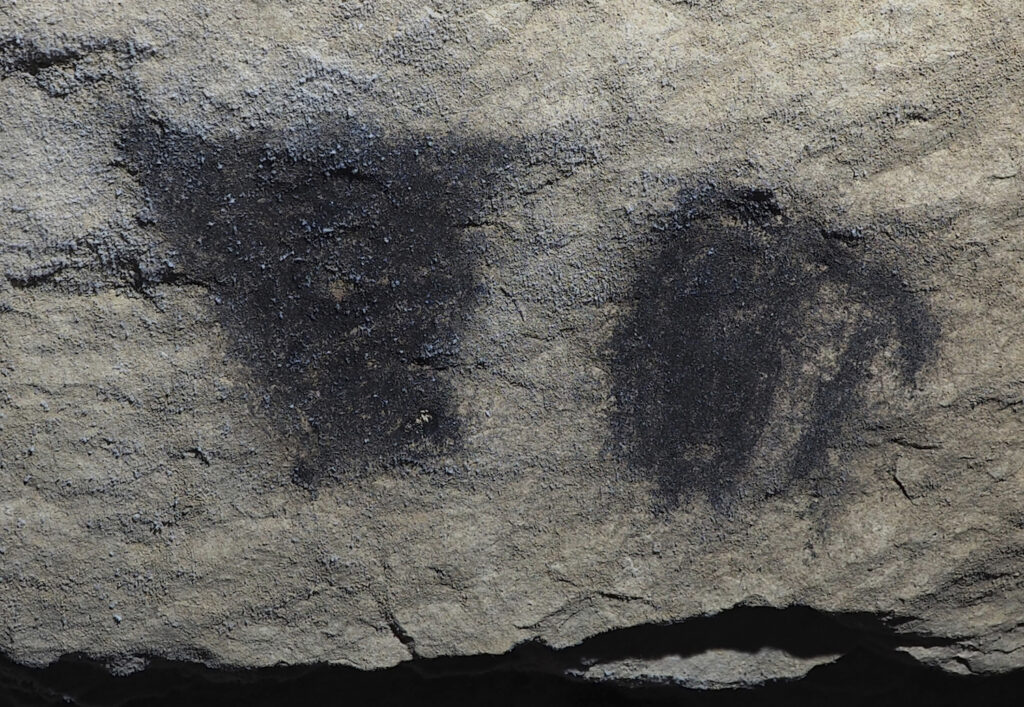
Artists Returned to Remote Cave Chamber in Spain for Thousands of Years

BURGOS, SPAIN—According to a SciNews report, Ana Isabel Ortega Martínez of the Royal Burgos Academy […]

Four headless terracotta figurines — the decapitation is deliberate, not accidental. A ritual practice encoded in objects, with no surviving explanation. Form preserved; meaning lost.
Source: Archaeology Magazine
News

Neolithic Figurines Uncovered in Northeastern Anatolia

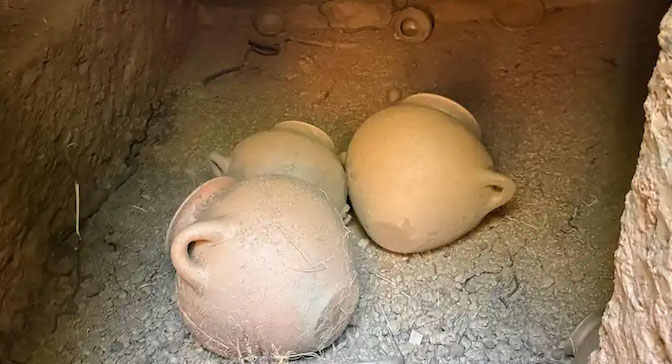
ESKISEHIR, TURKEY—Four headless terracotta figurines have been unearthed at Kanlitaş Höyük, a Neolithic mound in […]

Four headless terracotta figurines — the decapitation is deliberate, not accidental. A ritual practice encoded in objects, with no surviving explanation. Form preserved; meaning lost.
Source: Archaeology Magazine
Signals

Post-Roman Europeans: Ancient DNA Traces The Emergence Of A Complex New Society

Conny Waters - AncientPages.com - A new study from the HistoGenes project, co-led by Patrick Geary, Professor Emeritus in the School of Historical Studies, is providing scholars with a clearer understanding of Early Medieval populations in Western Europe and the societies they formed after the…

A new society emerging from the wreckage of Rome — DNA as a record of who survived, who mixed, who carried what forward. Collapse is not an ending; it is a reorganization. The HistoGenes project is exactly the kind of slow, cross-disciplinary work that ma
Source: ancientpages
Signals

Where Did Earth Get Its Oceans? Maybe It Made Them Itself.

At first, scientists thought Earth’s water came from comets. Then, asteroids. Now, they wonder if Earth’s water is homegrown.

The origin of water rewritten — what we assumed came from outside may have been here all along. A pattern that recurs at every scale: we look outward for explanations that were always internal.
Source: quantamagazine
Artifacts Recovered in The Netherlands
Signals

Artifacts Recovered in The Netherlands

EMMEN, THE NETHERLANDS—According to a report in the NL Times, more than 3,000 artifacts were […]

3,000+ artifacts in one location — a density that implies sustained, organized activity. What looks like a random find is almost always evidence of a node in a network we cannot yet map.
Source: Archaeology Magazine
Signals

Amergin: First Druid And ‘Wondrously Born’ Son Of Mil, Founder Of Poetry, Was Judge In Irish Mythology

A. Sutherland - AncientPages.com - Among the shape-shifting magicians of the Celts in Irish mythology, there was once Amergin (Amairgin or Amergin Glúingel), the son of Prince Mil (Míl Espáine), whose name later, in Latin, was Milesius. These ancient people are known as the "sons of Míl" or…

A figure who is simultaneously judge, poet, and magician — the compression of knowledge domains into a single role is a recurring pattern in traditions that predate institutional specialization. The druid as an interface.
Source: ancientpages
2,000-Year-Old Bones from Scotland Studied
Signals

2,000-Year-Old Bones from Scotland Studied

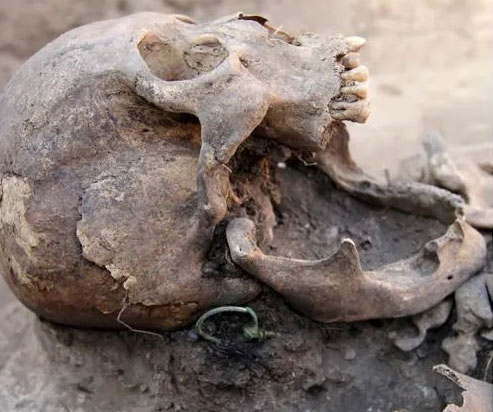
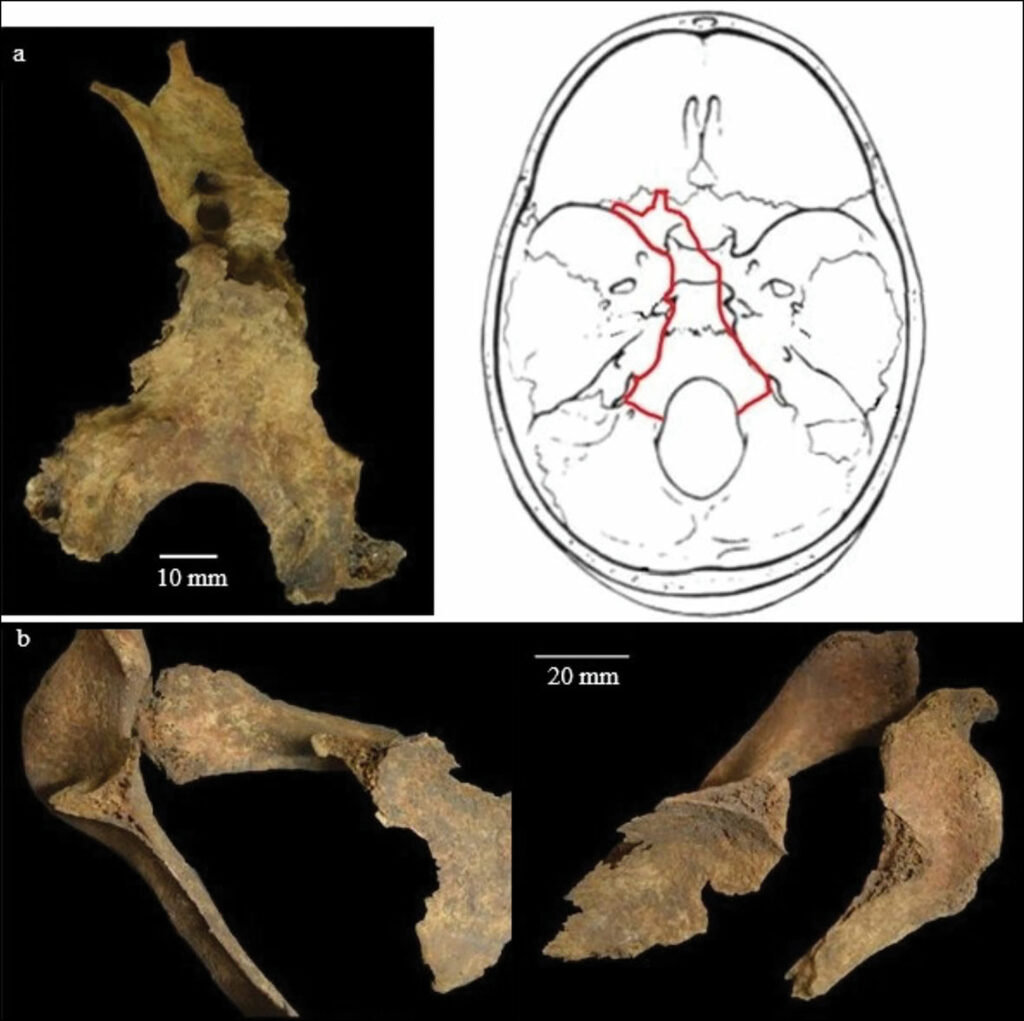
YORK, ENGLAND—Cuts found on the inside of an Iron Age woman’s skull suggest that her […]

Cut marks on the inside of a skull — evidence of a practice complex enough to require specific knowledge and intent. Ritual or medical, we cannot say. That ambiguity is the point.
Source: Archaeology Magazine
Xia Jia: The AI Story Is Not Done
Signals

Xia Jia: The AI Story Is Not Done

On writing, rupture, and the limits of human and artificial intelligence in a broken world.

A writer from outside the Western AI conversation asks what intelligence and rupture mean in a broken world. Relevant to Protocol — contact requires recognizing intelligence that does not look like ours.
Source: thereader.mitpress.mit.edu
Signals

Ancient Clay Tablets Rewrite Northern Mesopotamia’s History, Pointing To Conflict And The Siege Of Qabra

Jan Bartek - AncientPages.com - Recent archaeological discoveries near Erbil in the Kurdistan region of Iraq are transforming our understanding of ancient urban life, governance, and decline. At Kurd Qaburstan, archaeologists have uncovered the first significant group of cuneiform administrative…

A siege that rewrites urban history — governance and conflict in a city we barely knew existed. Every new tablet shifts the boundary of what we thought was the edge of organized society.
Source: ancientpages
Signals

Five Additional Letters Identified in Ancient Anatolian Language

ANTALYA, TURKEY—Hürriyet Daily News reports that five additional letters in the Sidetic alphabet have been […]

An alphabet that was almost lost — five letters recovered from near-oblivion. Every partially decoded script is a reminder of how much encoded knowledge sits at the edge of illegibility.
Source: Archaeology Magazine