
Genomes of Europe’s Last Neanderthals Analyzed
LEIDEN, THE NETHERLANDS—According to a statement released by Leiden University, Marie Soressi of Leiden University
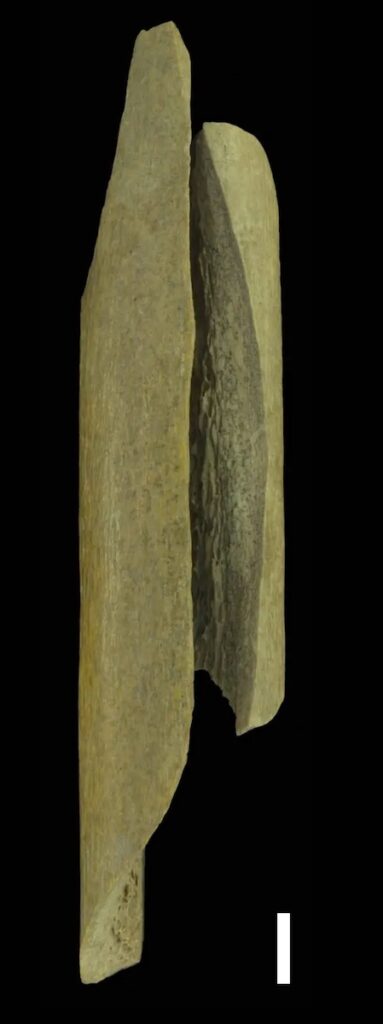
Neanderthal femur fragment from the Goyet Caves in Belgium
LEIDEN, THE NETHERLANDS—According to a statement released by Leiden University, Marie Soressi of Leiden University and her colleagues analyzed the genomes of 27 Neanderthals who lived shortly before the species went extinct. These remains were recovered in France and Belgium, and included the bones of a Neanderthal individual recently unearthed at Les Cottés in France. Analysis of this individual’s genome detected connections to Neanderthal populations living outside of Western Europe. It had been previously suggested that a lack of genetic diversity due to shrinking populations contributed to the demise of Neanderthals. The study determined, however, that these 27 individuals did not belong to the same group. Rather, they lived in interconnected communities with different ancestral lineages. Moreover, the scientists did not find any signs of recent contact between the Neanderthals and modern humans. “We are only beginning to uncover the diversity and complexity of Neanderthal populations,” Soressi said. “As more genomes become available from sites across Europe and beyond, we can move from studying isolated individuals to reconstructing entire communities, their relationships, and the social networks that connected them,” she concluded. Read the original scholarly article about this research in Nature. To read about Neanderthal remains included in the study that were recovered from a Belgian site, go to "What Happened in Goyet Cave?"
The post Genomes of Europe’s Last Neanderthals Analyzed appeared first on Archaeology Magazine.
Original author: Jessica Esther Saraceni
Related articles
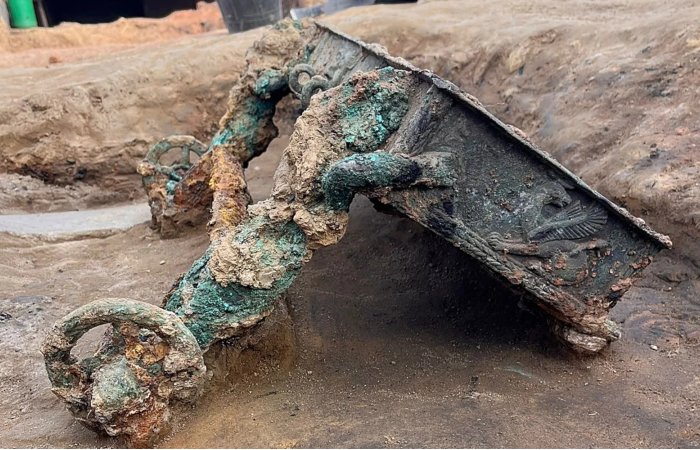
Unique 2,500-Year-Old Bronze Chariot Adorned With Mythological Figures Sheds Light On The Mysterious Tartessian Civilization
Conny Waters - AncientPages.com - Archaeologists have made a remarkable find in southwestern Spain, where a 2,500-year-old bronze chariot adorned with mythological figures offers new insights into the lost civilization of Tartessos. The Tartessian culture flourished in the southwestern Iberian…
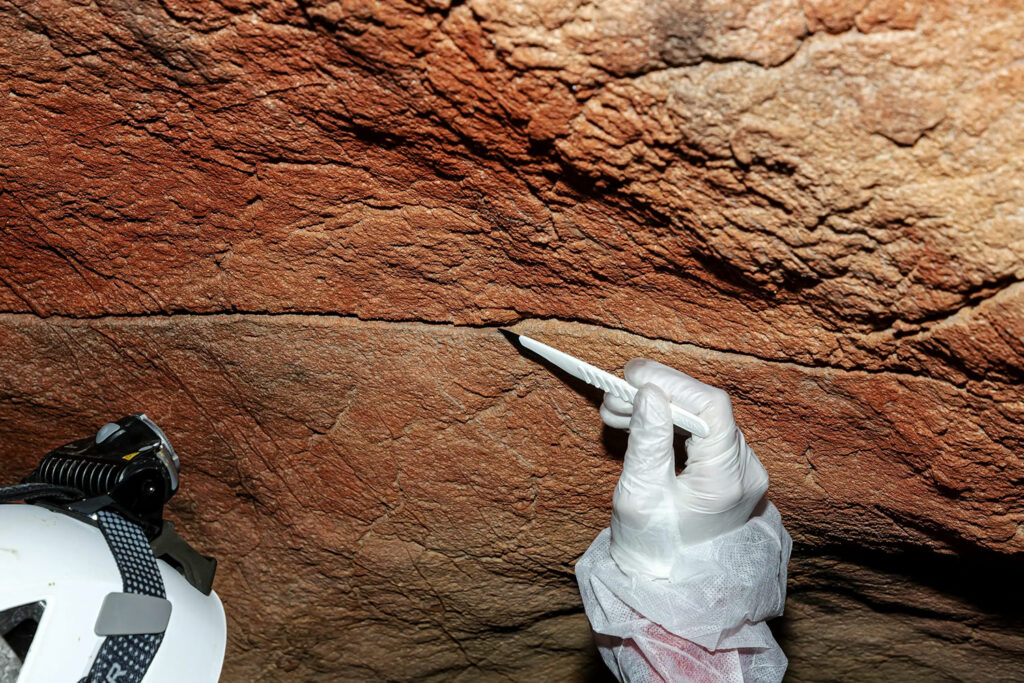
Human DNA Detected on Cave Walls
MAÇÃO, PORTUGAL—Prehistoric human DNA has been detected on cave walls by an international team of
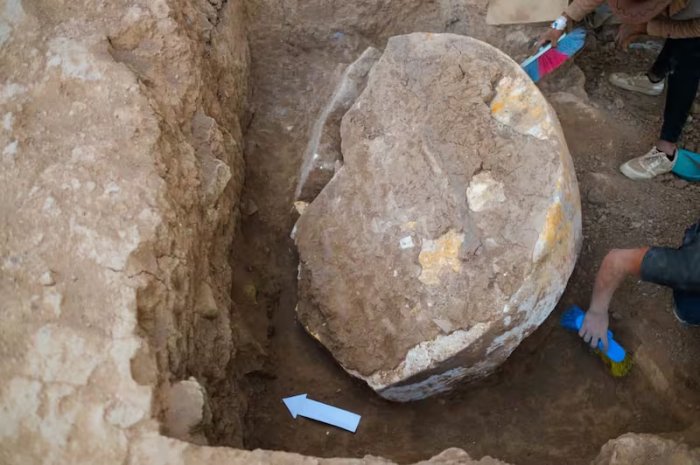
Massive 2,600‑Year‑Old Marble Stele Discovered At Nineveh’s Shamash Gate
Jan Bartek - AncientPages.com - Archaeologists in Iraq’s Nineveh province have discovered a rare Assyrian stele dating to the reign of King Ashurbanipal. This discovery gives us new insight into the city’s achievements almost 2,600 years ago. Archaeologists in Nineveh province, Iraq, have…
Skeletons Uncovered at Thailand’s Don Yai Thong Burial Site
PHETCHABURI, THAILAND—The Bangkok Post reports that a ninth set of human remains has been unearthed