
Roman Curse Tablet From the Netherlands Studied
HEERLEN, THE NETHERLANDS—A curse tablet discovered in the southeastern Netherlands has been analyzed with reflectance
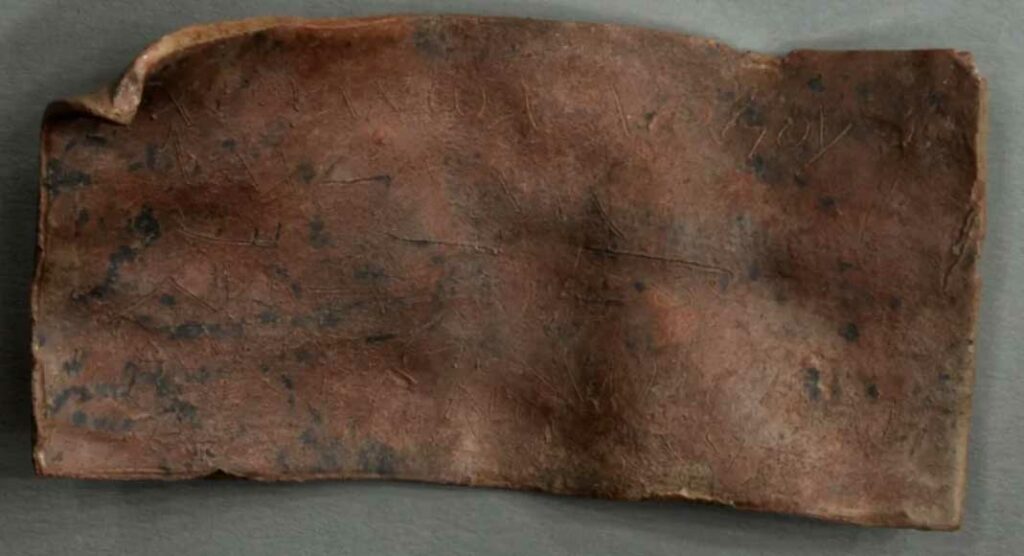
Roman-era curse tablet, Heerlen, Netherlands
HEERLEN, THE NETHERLANDS—A curse tablet discovered in the southeastern Netherlands has been analyzed with reflectance transformation imaging and deciphered by Rodney Ast of the University of Heidelberg and his colleagues, according to a report in La Brújula Verde. The lead sheet, dated to the second century A.D., was discovered in a well in what had been the Roman military settlement of Coriovallum. It measures about 3.5 inches long and almost two inches wide. Multiple photographs of the curse tablet were taken under varying lighting conditions, and then digitally combined with a computer into a single image with adjustable lighting to highlight the surface details. Curse tablets were usually inscribed with incantations in Latin, but the text on this tablet was inscribed in Greek and invokes Egyptian gods and demons. Three magical symbols, or Characteres, on the tablet would have conveyed the message to supernatural powers, Ast explained. The names of two men with Latin names and two women with Greek names may have been the objects of the curse, or the curse may have been pronounced in their names against someone else, he added. To read about the discovery of similarly malicious artifacts, go to "The Cursing Well."
The post Roman Curse Tablet From the Netherlands Studied appeared first on Archaeology Magazine.
Original author: Jessica Esther Saraceni
Related articles
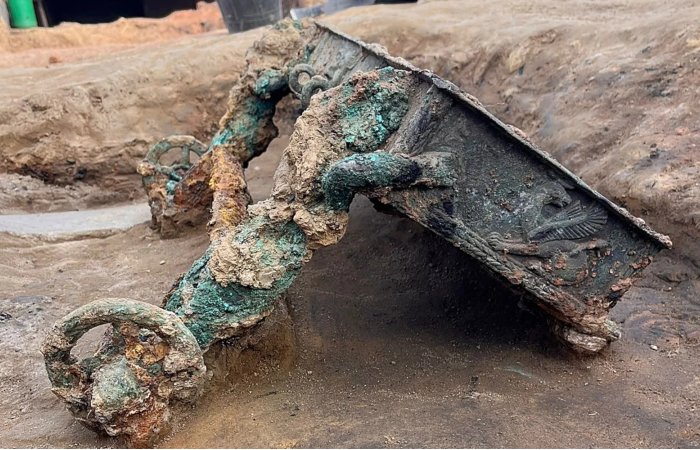
Unique 2,500-Year-Old Bronze Chariot Adorned With Mythological Figures Sheds Light On The Mysterious Tartessian Civilization
Conny Waters - AncientPages.com - Archaeologists have made a remarkable find in southwestern Spain, where a 2,500-year-old bronze chariot adorned with mythological figures offers new insights into the lost civilization of Tartessos. The Tartessian culture flourished in the southwestern Iberian…
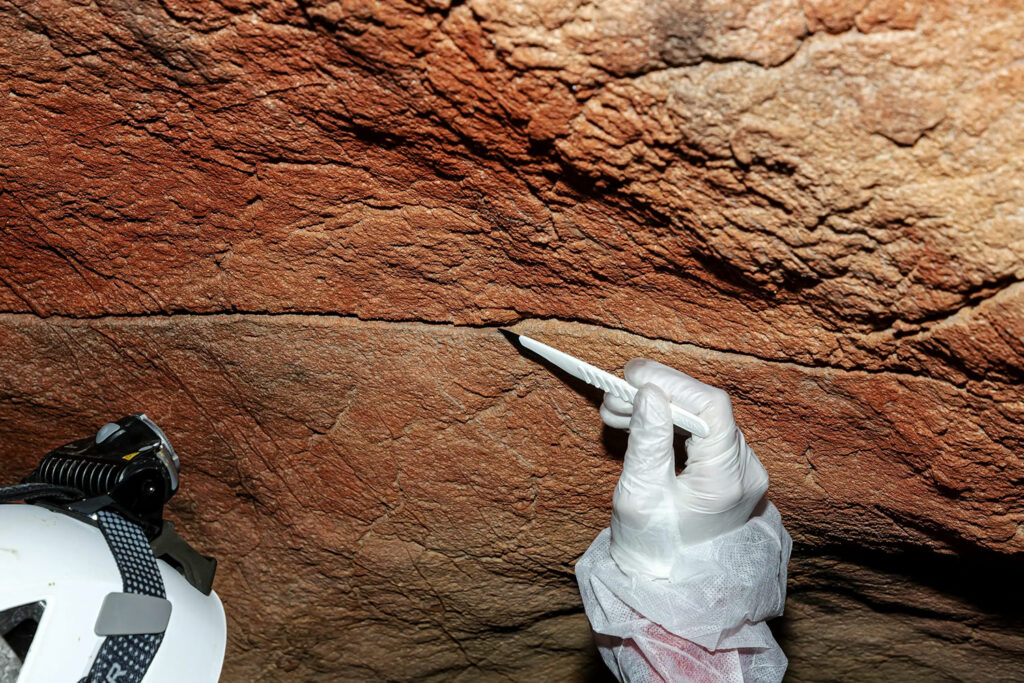
Human DNA Detected on Cave Walls
MAÇÃO, PORTUGAL—Prehistoric human DNA has been detected on cave walls by an international team of
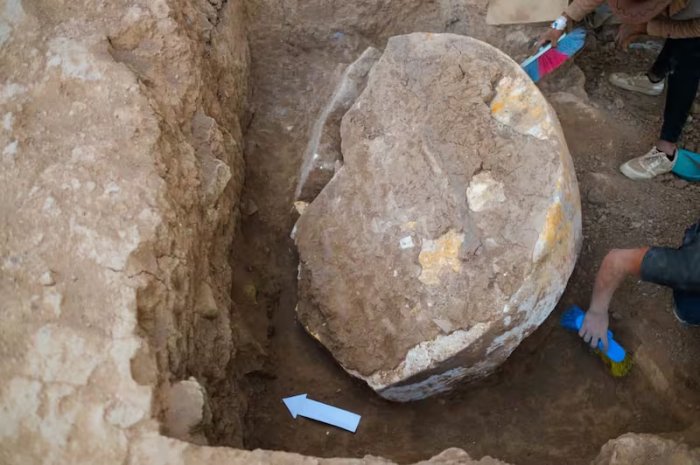
Massive 2,600‑Year‑Old Marble Stele Discovered At Nineveh’s Shamash Gate
Jan Bartek - AncientPages.com - Archaeologists in Iraq’s Nineveh province have discovered a rare Assyrian stele dating to the reign of King Ashurbanipal. This discovery gives us new insight into the city’s achievements almost 2,600 years ago. Archaeologists in Nineveh province, Iraq, have…
Skeletons Uncovered at Thailand’s Don Yai Thong Burial Site
PHETCHABURI, THAILAND—The Bangkok Post reports that a ninth set of human remains has been unearthed